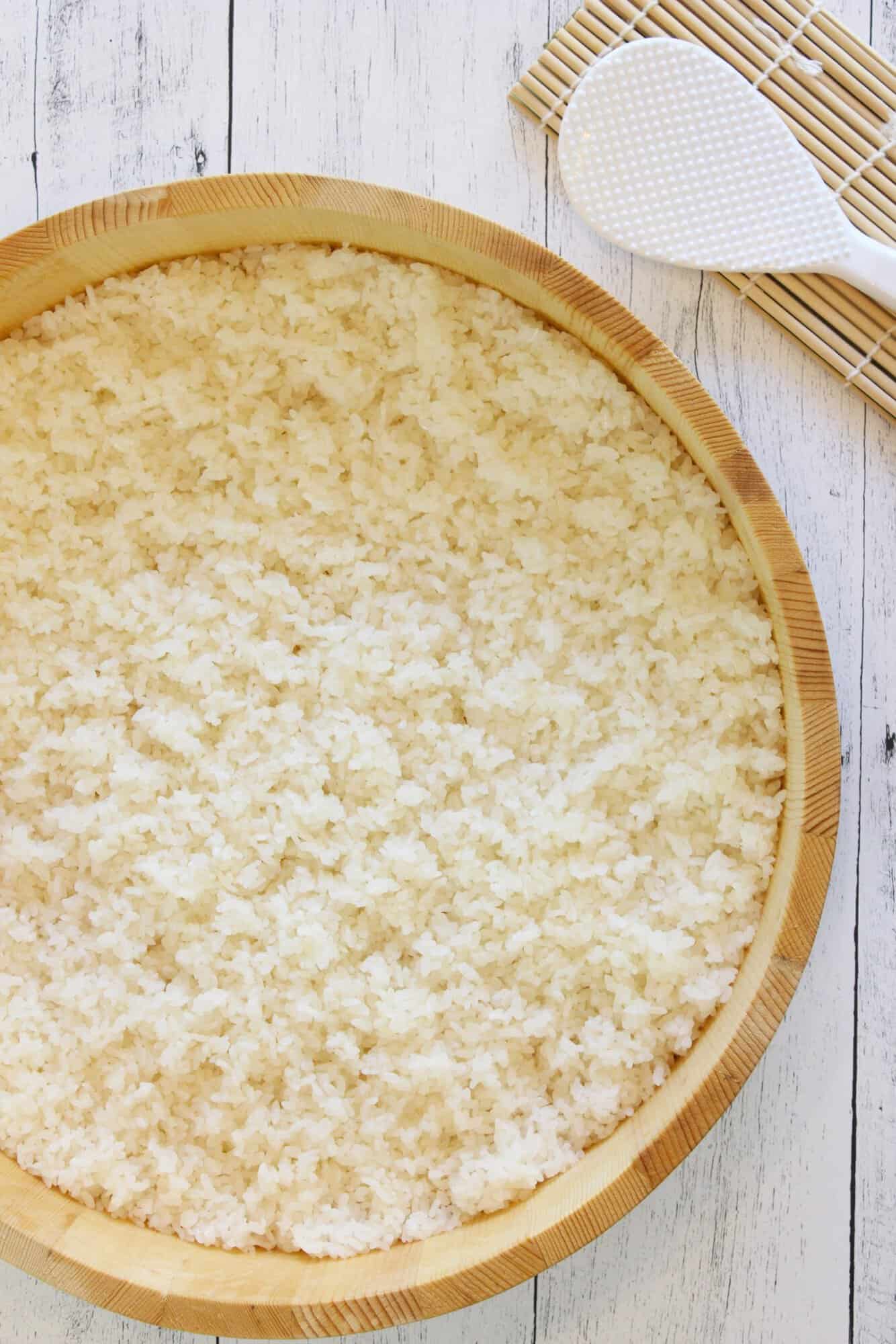
Sushi Rice Explained: The Essential Flavored Base for Authentic Sushi
When you envision a perfect piece of sushi, your mind might first drift to the glistening slice of fresh fish or the vibrant array of vegetables nestled within a roll. However, the true connoisseur knows that the unsung hero, the very foundation of an unforgettable sushi experience, lies in the rice. Far from being a mere filler, sushi rice – known in Japanese as *Su-meshi* (酢飯) or *Sushi-meshi* (寿司飯), or affectionately as *Shari* (シャリ) in sushi restaurants – is a meticulously prepared, seasoned masterpiece that forms the soulful base of authentic sushi. Mastering a reliable
sushi rice recipe is not just a culinary skill; it's an entry point into a cherished tradition, elevating your homemade sushi from good to truly exceptional.
This article delves deep into what makes sushi rice so special, guiding you through its essential components and providing the insights needed to create restaurant-quality results in your own kitchen. Forget any notion that it's just plain steamed rice; the secret lies in a delicate balance of flavor and texture that demands specific ingredients and careful technique.
What Exactly Is Sushi Rice? Beyond Just Grains
The term "sushi rice" can be a bit misleading. While it refers to a specific type of rice used, it more accurately describes the *preparation method* that transforms humble short-grain white rice into the flavorful, slightly sticky, and perfectly balanced base for sushi. This isn't just any cooked rice; it's rice that has been carefully flavored with a special blend of rice vinegar, sugar, and salt.
This distinct seasoning, often called *sushi-zu*, is what sets sushi rice apart from its unseasoned counterpart, Japanese-style plain white rice. The practice of flavoring rice with vinegar dates back centuries, originating as a method of preserving fish with fermented rice (narezushi). Over time, as fresh fish became more accessible, the fermentation process evolved into the quick vinegared preparation we know today, especially prominent in traditional Tokyo-style or Edo-mae sushi.
In the world of professional sushi chefs, the term *Shari* holds immense respect. It signifies the cooked and seasoned rice, acknowledging its critical role. It’s not simply a ball of rice placed under fish; it's an ingredient as vital as the finest cuts of tuna or the freshest produce. Each sushi chef often adds their own unique touch to their *Shari*, subtly adjusting the seasoning blend to create a signature flavor that defines their sushi as a whole. Getting this balance right is paramount, as the rice must complement, not overpower, the delicate flavors of the other sushi ingredients.
The Core Ingredient: Selecting the Best Rice for Your Sushi Rice Recipe
The journey to perfect sushi rice begins with the absolute right grain: Japanese short-grain white rice. There is simply no substitute if you're aiming for authentic results. This is often why bags of uncooked Japanese short-grain rice are sometimes labeled "sushi rice" in stores – it's the specific varietal you need.
What makes this particular rice indispensable? It comes down to its unique characteristics:
*
High Starch Content: Japanese short-grain rice boasts a higher amylopectin content compared to longer grain varieties. This is the starch responsible for its distinct stickiness once cooked. This glutinous quality is crucial for sushi, allowing the grains to cling together sufficiently to be molded into nigiri or rolled into maki without falling apart, yet remaining distinct and tender, not mushy.
*
Texture and Mouthfeel: When cooked correctly, Japanese short-grain rice offers a firm yet pleasantly chewy texture. It's mildly sticky, making it easy to pick up with chopsticks, a desirable trait not just for sushi but for accompanying virtually any Japanese meal.
*
Flavor Absorption: Its cellular structure allows it to beautifully absorb the delicate flavors of the *sushi-zu* without becoming oversaturated or soggy.
While other short-grain rices exist, the specific starch profile and cooking properties of Japanese short-grain white rice are unmatched for creating the ideal texture and consistency required for a truly authentic
sushi rice recipe. Attempting to use medium-grain rice, long-grain rice, or even brown rice will fundamentally alter the texture and flavor, resulting in a product that simply isn't sushi rice.
Mastering the Seasoning: The Heart of the Sushi Rice Recipe
Once you’ve cooked your Japanese short-grain rice to perfection, the magic truly happens with the seasoning. This special blend, known as *sushi-zu* or rice vinegar seasoning, is what transforms plain steamed rice into the distinctive, flavorful *Shari*. This blend is typically composed of three fundamental ingredients:
1.
Rice Vinegar: This is the star of the seasoning. It provides the characteristic tangy, slightly acidic note that is synonymous with sushi. Beyond flavor, vinegar also plays a historical role in food preservation and adds a subtle tenderizing effect to the rice grains.
2.
Sugar: Balancing the sharpness of the vinegar, sugar adds a touch of sweetness and depth to the flavor profile. It also contributes to the glossy sheen that perfectly seasoned sushi rice should possess, making it visually appealing.
3.
Salt: A crucial flavor enhancer, salt rounds out the seasoning, bringing all the elements into harmony and ensuring the rice tastes complete and savory.
The key to a superb
sushi rice recipe lies in achieving the right balance between these three components. The seasoning should be noticeable but never overpowering, designed to complement and highlight the flavors of the fish or other fillings, not compete with them. Many chefs guard their *sushi-zu* ratios closely, adjusting them based on the specific rice variety, humidity, and even the type of sushi being prepared.
For home cooks, starting with a standard ratio and then adjusting to your personal preference is key. Some prefer a slightly sweeter *Shari*, others a bit tangier. This is where your personal touch can shine. To delve deeper into the nuances of this essential blend, be sure to read our article on
Unlocking Shari: The Vinegar, Salt & Sugar Secret to Great Sushi.
The Perfect Sushi Rice Recipe: Step-by-Step for Home Cooks
Creating perfect sushi rice at home is entirely achievable with careful attention to each step. Here's a practical guide to follow for a truly authentic experience.
Rinsing the Rice – The First Essential Step
This is a non-negotiable step. Rinsing Japanese short-grain rice removes excess starch clinging to the outside of the grains. If not rinsed, this starch can make the cooked rice overly gummy and sticky.
*
Method: Place the uncooked rice in a large bowl. Add cold water, gently swirl the rice with your hand, and drain. The water will appear cloudy. Repeat this process, changing the water 5-7 times, until the water runs mostly clear.
*
Soaking: After rinsing, allow the rice to soak in fresh cold water for about 30 minutes. This helps the grains absorb water evenly, leading to more uniform cooking. Drain thoroughly before cooking.
Cooking the Rice – Stovetop or Rice Cooker
Whether you use a pot on the stovetop or a dedicated rice cooker, the goal is tender, perfectly cooked grains that are not mushy. The water ratio is critical. For most Japanese short-grain rice, a ratio of 1:1.1 (rice to water) by volume is a good starting point, meaning for 1 cup of rice, you'd use 1.1 cups of water.
*
Stovetop Method: Combine rinsed and drained rice with the correct amount of water in a heavy-bottomed pot. Bring to a boil over medium-high heat, then immediately reduce heat to the lowest setting, cover tightly, and simmer for 13-15 minutes. Crucially, do not lift the lid during this time! Once cooked, remove from heat and let it steam, still covered, for another 10-15 minutes.
*
Rice Cooker Method: Simply combine rinsed and drained rice with the correct amount of water in your rice cooker, select the "white rice" setting, and let it do its job. Most rice cookers will automatically enter a warming cycle after cooking, which serves the same purpose as the stovetop's resting period.
For a more detailed, step-by-step guide on cooking techniques, refer to our article on
How to Make Perfect Sushi Rice at Home: Pot or Rice Cooker.
Preparing the Sushi-zu (Vinegar Seasoning)
While the rice is cooking, prepare your seasoning.
*
Ingredients: Typically, for every 2 cups of uncooked rice, you'll want approximately 1/4 cup rice vinegar, 2 tablespoons sugar, and 1 teaspoon salt. Adjust these ratios to taste.
*
Method: Combine all ingredients in a small saucepan. Heat gently over low heat, stirring until the sugar and salt are completely dissolved. Do not boil. Remove from heat and allow to cool slightly.
Seasoning and Cooling – The Art of 'Cutting In'
This final stage is where the cooked rice truly becomes *Shari*.
*
Transfer the Rice: Immediately after the rice has rested (while still hot), transfer it to a large, wide, non-metallic bowl (a wooden *hangiri* or a large glass/ceramic bowl works best). The heat of the rice is important for absorbing the seasoning.
*
Add the Sushi-zu: Pour the prepared *sushi-zu* evenly over the hot rice.
*
The Cutting-In Motion: Using a rice paddle (or a flat wooden spoon), begin to *cut* through the rice. This isn't stirring or mashing. Instead, use a swift, chopping motion to separate the grains while simultaneously turning them over. This ensures the seasoning is evenly distributed and each grain is coated without becoming gummy.
*
Fanning: As you "cut in" the seasoning, a crucial step is to fan the rice vigorously. This cools the rice quickly, helps the vinegar evaporate slightly, and contributes to the beautiful glossy sheen. Continue this process until the rice reaches body temperature (around 98°F or 37°C) and is still slightly warm but not hot.
*
Rest and Cover: Once seasoned and cooled, cover the sushi rice with a damp cloth or plastic wrap to prevent it from drying out while you prepare your sushi. It should be used at room temperature, not chilled.
Tips for Sushi Rice Success
*
Don't Rush the Rinse: Patience here prevents gummy rice.
*
Measure Accurately: Especially the water for cooking the rice.
*
Don't Lift the Lid: Allow the rice to cook and steam undisturbed for optimal texture.
*
Use a Non-Metallic Bowl: Vinegar can react with metal, imparting an off-flavor.
*
Master the "Cut": Mashing is the enemy of distinct rice grains.
*
Fan for Shine and Texture: This step is vital for authentic *Shari*.
*
Work Clean and Damp: When shaping sushi, keep your hands lightly moistened with water (sometimes vinegared water) to prevent rice from sticking.
Conclusion
The journey to crafting perfect sushi begins and ends with the rice. Far from being a mere accompaniment, the seasoned *Shari* is the heart and soul of authentic sushi, a testament to culinary precision and tradition. By understanding the importance of Japanese short-grain rice, mastering the delicate balance of the *sushi-zu*, and diligently following the preparation steps, you can confidently create a restaurant-quality
sushi rice recipe at home. Embrace the process, savor the aroma, and delight in the knowledge that you're not just making food, but carrying forward a revered culinary art form. With practice, your homemade sushi will not only taste incredible but will embody the true essence of Japanese cuisine.