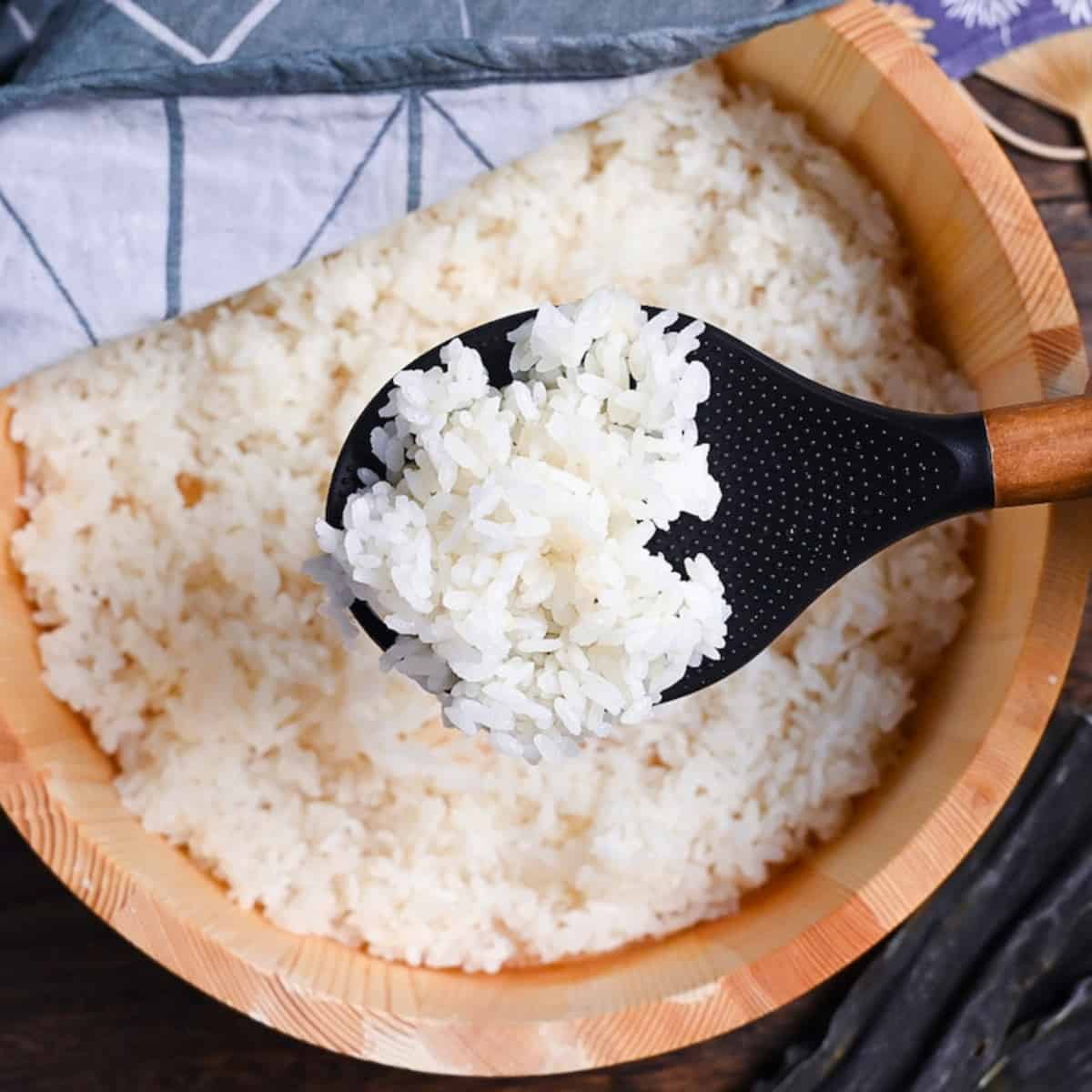
How to Make Perfect Sushi Rice at Home: Pot or Rice Cooker
The foundation of any great sushi experience isn't the freshest fish or the most exotic vegetables – it's the rice. Often overlooked, perfectly cooked and seasoned sushi rice is the true cornerstone, elevating simple ingredients into a culinary masterpiece. This comprehensive guide will walk you through crafting restaurant-worthy sushi rice right in your own kitchen, whether you prefer the traditional stovetop pot method or the convenience of a rice cooker. Master this essential sushi rice recipe, and you'll unlock a world of homemade sushi possibilities!
Understanding the Heart of Sushi: What is Shari?
Before diving into the cooking process, it's crucial to understand what "sushi rice" truly means. While the term is sometimes loosely used to describe Japanese short-grain rice in general, for sushi enthusiasts, it refers specifically to vinegared rice. This special preparation is known in Japanese as Su-meshi (酢飯), Sushi-meshi (寿司飯), or most commonly by sushi chefs, Shari (シャリ).
Shari isn't just plain cooked rice; it's a carefully crafted blend of Japanese short-grain rice, seasoned after cooking with a delicate mixture of rice vinegar, sugar, and salt. This unique flavoring gives sushi its characteristic tangy, slightly sweet, and savory profile, complementing fish and other ingredients rather than overpowering them. It's the secret ingredient that binds together traditional Tokyo-style or Edo-mae sushi, making each piece a balanced symphony of flavors and textures. For a deeper dive into the significance and history of Shari, explore our article on Sushi Rice Explained: The Essential Flavored Base for Authentic Sushi.
Choosing Your Canvas: The Right Rice for the Job
The journey to perfect sushi rice begins with selecting the correct grain. There's simply no substitute for Japanese short-grain white rice. This isn't just a preference; it's a necessity, owing to its unique characteristics:
- High Starch Content: Japanese short-grain rice, often labeled "sushi rice" in stores, contains a higher proportion of amylopectin starch compared to long-grain varieties. This is what gives it its distinct stickiness when cooked.
- Ideal Texture: When cooked properly, it's firm yet tender, with a pleasant chewiness that provides structure for shaping sushi (nigiri, temaki, temari) without falling apart.
- Flavor Absorption: Its texture allows it to readily absorb the subtle flavors of the sushi vinegar seasoning, creating that iconic Shari taste.
Avoid medium-grain rice or any other type, as they simply won't yield the desired sticky, yet individual, texture vital for authentic sushi.
The Unveiling: Step-by-Step Sushi Rice Recipe (Pot or Rice Cooker)
This recipe provides a reliable formula to achieve consistently delicious results. The key is precision and patience.
Ingredients:
- 2 cups (approx. 400g) Japanese short-grain white rice
- 2.2 cups (approx. 520ml) filtered water (for pot method) or to the rice cooker's 2-cup line
- For Sushi Vinegar (Su):
- 4 tablespoons rice vinegar (unseasoned)
- 2 tablespoons granulated sugar
- 1 teaspoon fine sea salt
Equipment:
- Fine-mesh sieve or colander
- Heavy-bottomed pot with a tight-fitting lid OR a rice cooker
- Wide, shallow non-metallic bowl (ideally a *hangiri* – wooden sushi rice tub) or a large glass/ceramic bowl
- Rice paddle (ideally wooden)
- Clean damp cloth
Method:
Step 1: Rinse the Rice Thoroughly
This is arguably the most critical step for achieving the right texture. Rinsing removes excess surface starch, preventing the rice from becoming overly sticky or mushy.
- Place the rice in a fine-mesh sieve or colander.
- Rinse under cold running water, gently swirling the rice with your hand.
- Initially, the water will be very cloudy. Continue rinsing, gently rubbing the rice between your fingers, until the water runs mostly clear (this may take 5-7 minutes).
- Drain the rice well.
Step 2: Soak the Rice
Soaking allows the rice grains to absorb water evenly before cooking, leading to a more consistent and tender texture.
- Transfer the rinsed rice to your cooking pot or rice cooker bowl.
- Add the measured cold, filtered water.
- Let the rice soak for at least 30 minutes, or up to an hour. This step is essential for perfectly cooked grains.
Step 3: Cook the Rice (Pot Method)
Cooking sushi rice in a pot requires careful attention, but the results are incredibly rewarding.
- After soaking, cover the pot with a tight-fitting lid.
- Place the pot over medium-high heat and bring to a rolling boil. Listen for the sound and watch for steam escaping.
- Once boiling vigorously (about 5-7 minutes), immediately reduce the heat to the lowest setting.
- Simmer, undisturbed, for 10-12 minutes. Resist the urge to lift the lid, as this releases steam crucial for cooking.
- After 10-12 minutes, remove the pot from the heat but keep the lid on. Let it rest for another 10-15 minutes. This resting period allows the steam to redistribute, resulting in perfectly fluffy grains.
Step 3: Cook the Rice (Rice Cooker Method)
Rice cookers offer unparalleled convenience and consistent results.
- After soaking the rice in the rice cooker bowl with the appropriate amount of water (use the "white rice" marking for 2 cups), close the lid.
- Select the "white rice" or "sushi rice" setting.
- Allow the cooker to complete its cycle. Once finished, most rice cookers will switch to a "keep warm" setting.
- Let the rice rest on "keep warm" for an additional 10-15 minutes without opening the lid. This resting phase is as important as the cooking itself.
Step 4: Prepare the Sushi Vinegar (Su)
While the rice is cooking/resting, prepare your seasoning mixture.
- In a small saucepan or microwave-safe bowl, combine the rice vinegar, sugar, and salt.
- Gently heat over low heat or microwave for 30 seconds, stirring until the sugar and salt are completely dissolved. Do not boil.
- Set aside to cool slightly.
Seasoning Your Shari: The Flavorful Finale
This is where your cooked rice transforms into true Shari. The goal is to evenly coat each grain without mashing it.
- Transfer the Rice: Once the rice has rested, carefully transfer it to your wide, shallow non-metallic bowl (a *hangiri* is ideal as its wood absorbs excess moisture, but a large glass or ceramic bowl works well).
- Add the Vinegar: Pour the prepared sushi vinegar evenly over the hot rice.
- Mix and Cut: Using a rice paddle, gently and quickly "cut" through the rice with diagonal motions, flipping and separating the grains. Avoid stirring or mashing, which can break the grains and make the rice gummy. The goal is to distribute the seasoning evenly while simultaneously cooling the rice.
- Fan and Cool: As you mix, have a fan blowing gently over the rice or use a hand fan to cool it down quickly. Fanning helps evaporate excess moisture, giving the rice a shiny appearance and the perfect slightly firm, yet tender, consistency. This rapid cooling also locks in the desired texture.
- Cover: Once the rice has cooled to approximately body temperature (or slightly warmer), cover it with a damp cloth or plastic wrap to prevent it from drying out. Use it within a few hours for the best results. Discover more about the perfect balance of vinegar, sugar, and salt in our article Unlocking Shari: The Vinegar, Salt & Sugar Secret to Great Sushi.
Tips for Perfection and Troubleshooting
- Don't Skimp on Rinsing: This is a common mistake. Under-rinsed rice leads to a gluey, unpleasant texture.
- Water Quality Matters: Using filtered water can make a noticeable difference in the taste of your rice.
- Resist Peeking: Opening the lid during cooking releases steam, interrupting the cooking process and potentially leading to unevenly cooked or undercooked rice.
- Adjust Seasoning to Taste: The provided sushi vinegar ratio is a great starting point, but feel free to adjust the sugar, salt, and vinegar amounts to suit your personal preference. Some prefer it tangier, others sweeter.
- Handle with Care: When mixing the seasoning, be gentle. Mashing the rice will destroy its texture.
- Keep it Warm (but not hot): Sushi rice is best used at body temperature. If it's too hot, it can "cook" delicate fish. If too cold, it becomes stiff and less pliable. Always cover your rice with a damp cloth to prevent drying.
- Storage: Sushi rice is best consumed immediately. If you must store it, place it in an airtight container at room temperature for a few hours. Avoid refrigerating, as it will dry out and harden the rice, making it less palatable for sushi.
Conclusion
Making perfect sushi rice at home, whether in a pot or a rice cooker, is a rewarding skill that transforms your homemade sushi from good to exceptional. By understanding the importance of the right rice, mastering the rinsing and cooking techniques, and delicately balancing the seasoning, you're well on your way to creating authentic Shari. This sushi rice recipe is more than just instructions; it's a foundation for culinary creativity. So, take pride in your perfectly vinegared grains and get ready to roll your way to delicious homemade sushi!
