What Exactly is Shari? Beyond Just Rice
In the world of Japanese cuisine, few elements are as critical, yet often misunderstood, as sushi rice. While many might simply refer to it as "Japanese rice," true sushi aficionados know there's a profound difference. This special preparation, known as Shari (シャリ) or Su-meshi (酢飯), is the very soul of sushi. It's not merely cooked short-grain white rice; it's a meticulously crafted foundation, specifically seasoned with a delicate balance of vinegar, salt, and sugar.
The term "sushi rice" is frequently used broadly to describe any Japanese-style rice, but for authentic sushi, particularly traditional Edo-mae (Tokyo-style) sushi, Shari is non-negotiable. It's this unique flavoring that elevates the entire sushi experience, providing a nuanced counterpoint to fresh fish and other fillings. A masterful sushi chef understands that Shari is as vital as the finest cut of tuna, often imbuing their rice with a signature touch that distinguishes their restaurant.
Without this vinegared perfection, sushi like nigiri, temaki, or temari would lose its characteristic taste profile. It's the subtle tang, hint of sweetness, and touch of salinity in the rice that harmonizes with and enhances the flavors of the chosen ingredients, rather than overpowering them. Understanding and mastering Shari is truly unlocking the secret to exceptional homemade sushi.
The Indispensable Grain: Choosing the Right Rice for Your Shari
Before you even think about the seasoning, the first and most critical step in creating sublime Shari is selecting the correct type of rice. There are no shortcuts or substitutions here: sushi rice is always, without exception, made from Japanese short-grain white rice.
Why this specific variety? Japanese short-grain rice possesses a unique set of characteristics that are essential for sushi:
- High Starch Content: This "glutinous" quality (though it contains no actual gluten) is what gives the rice its distinctive stickiness. After cooking, the grains cling together just enough to be easily molded into sushi shapes like nigiri or to hold together in a roll, without being mushy. This stickiness is precisely why it's also perfect for dishes like onigiri.
- Firm, Mildly Chewy Texture: Despite its stickiness, cooked Japanese short-grain rice maintains a pleasant firmness and a slight chew. This texture provides a satisfying mouthfeel that complements the often soft or tender sushi toppings.
- Neutral Flavor Profile: The rice itself has a subtle, almost sweet, clean taste that serves as a perfect canvas for the vinegar seasoning and the more pronounced flavors of fish, vegetables, and nori.
You might sometimes see uncooked Japanese short-grain rice labeled as "sushi rice" in stores, particularly outside of Japan. This is because its primary culinary application, beyond being a staple grain, is indeed sushi. While other rice varieties like medium-grain or long-grain might seem similar, they lack the specific starch composition and texture required. They simply won't achieve the cohesive, yet distinct, grain structure that is fundamental to authentic Shari. So, make sure to pick up a bag of true Japanese short-grain white rice for your culinary adventure!
The Golden Ratio: Mastering the Vinegar, Salt & Sugar Blend for Your Sushi Rice Recipe
Once you have your perfectly cooked short-grain rice, the real magic begins with the seasoning – the "secret" combination of vinegar, salt, and sugar that transforms plain rice into Shari. This concoction, often referred to as sushi-zu (sushi vinegar), is where personal touch and culinary artistry truly come into play, making your sushi rice recipe uniquely yours.
Crafting the Perfect Sushi-Zu
The core components of sushi-zu are:
- Rice Vinegar: This is the cornerstone. Japanese rice vinegar is milder and slightly sweeter than other vinegars (like distilled white vinegar or apple cider vinegar). It imparts the essential tang and helps preserve the rice, contributing to its texture.
- Sugar: Sugar balances the tartness of the vinegar and adds a subtle sweetness that harmonizes beautifully with savory sushi ingredients. It also contributes to the glossy appearance of the rice.
- Salt: A pinch of salt enhances all the flavors, bringing out the best in both the rice and the vinegar, while adding its own crucial savory note.
The "golden ratio" for these ingredients can vary slightly from chef to chef, but a common starting point is often around 5-6 parts rice vinegar to 2-3 parts sugar and 1 part salt. However, this is merely a guide. The beauty of making your own sushi rice is the ability to adjust these proportions to suit your palate and the type of sushi you're making. For a richer fish like fatty tuna, you might opt for a slightly more assertive vinegar blend, while for delicate white fish, a milder, sweeter Shari might be preferred.
To prepare your sushi-zu, simply combine the rice vinegar, sugar, and salt in a small saucepan over low heat. Stir gently until the sugar and salt are completely dissolved. Do not boil, as this can alter the vinegar's delicate flavor. Once dissolved, remove it from the heat and allow it to cool completely before mixing it with your cooked rice.
This blend is what gives Shari its distinctive, complex flavor profile – a perfect interplay of sweet, sour, and salty that makes each bite of sushi a balanced delight. It’s a testament to the fact that great sushi isn't just about what's on top, but the exquisite foundation it rests upon.
Crafting Perfect Shari: A Step-by-Step Guide for Your Sushi Rice Recipe
Now that we understand the ingredients, let's walk through the essential steps to prepare this cornerstone of sushi, ensuring your homemade sushi rice recipe yields perfect results every time.
1. Washing the Rice (Rinsing Away Excess Starch)
This initial step is crucial for achieving the ideal texture. Place your Japanese short-grain rice in a large bowl and cover it with cold water. Gently agitate the rice with your hand in a swirling motion. The water will become cloudy due to excess starch. Drain and repeat this process 4-5 times, or until the water runs mostly clear. This removes surface starch, preventing the cooked rice from becoming gummy while retaining its essential stickiness.
2. Soaking and Cooking the Rice
After washing, drain the rice thoroughly and transfer it to your cooking vessel – either a heavy-bottomed pot with a tight-fitting lid or a rice cooker. For precise cooking instructions, including water ratios and timings for both methods, refer to detailed guides like our article on How to Make Perfect Sushi Rice at Home: Pot or Rice Cooker.
- Soaking: Allow the washed rice to soak in fresh, cold water for at least 30 minutes (up to an hour) before cooking. This allows the grains to absorb water evenly, leading to more uniformly cooked rice.
- Cooking: Cook the rice until it's tender but still firm, with each grain distinct yet cohesive. Once cooked, let it steam, covered, for an additional 10-15 minutes off the heat. Do not lift the lid during this crucial resting period.
3. Preparing Your Sushi-Zu (Seasoning Blend)
As discussed, prepare your seasoning blend of rice vinegar, sugar, and salt. Gently heat until dissolved, then allow it to cool completely.
4. Seasoning and Cooling the Shari
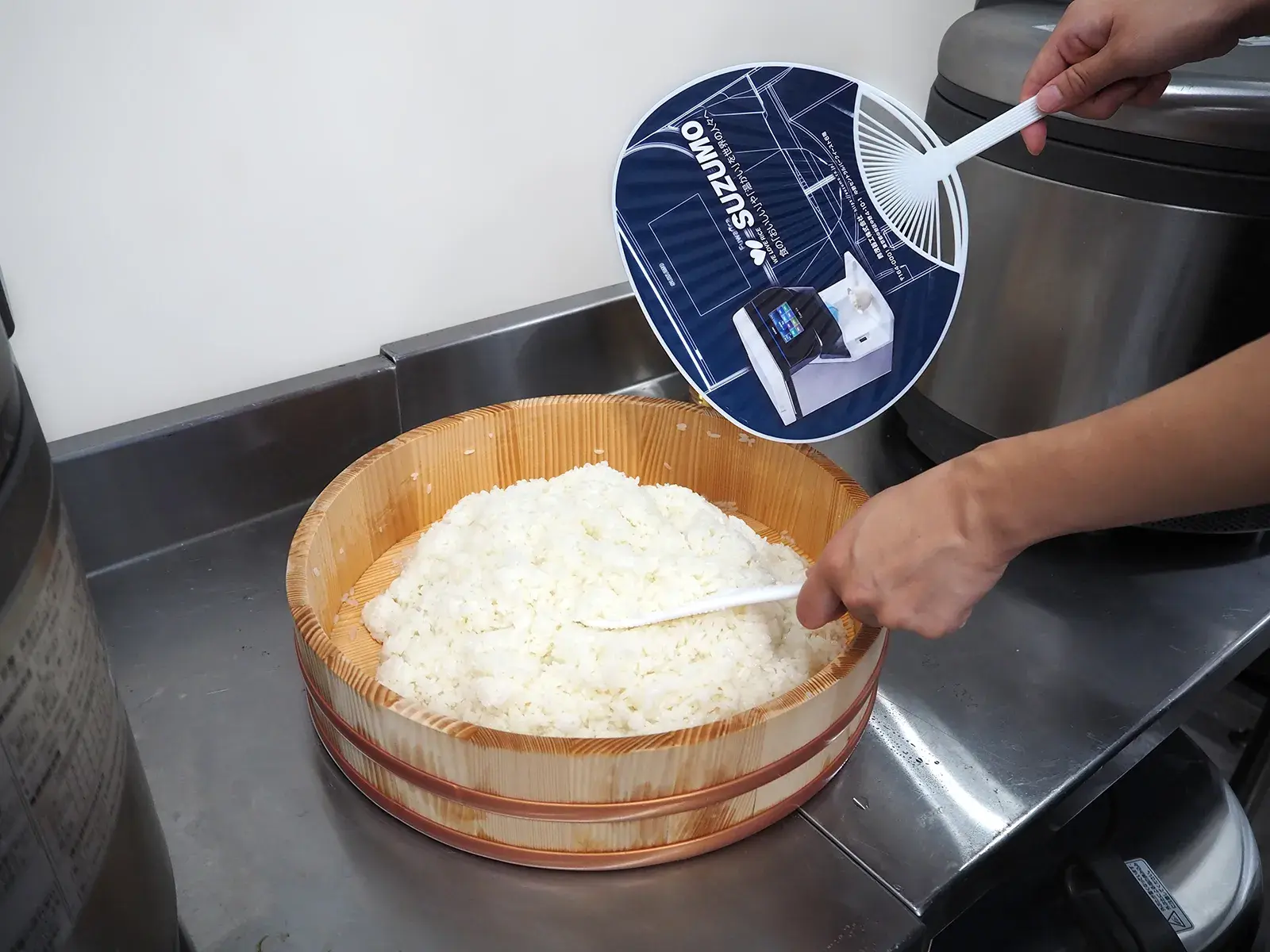
This is where the magic happens. Immediately after the rice has rested (while it's still warm), transfer it to a large, non-metallic bowl or, ideally, a traditional wooden hangiri (sushi rice tub). The wood helps absorb excess moisture, contributing to the rice's perfect texture.
- Pour and Distribute: Drizzle your cooled sushi-zu evenly over the warm rice.
- Gentle Mixing: Using a rice paddle or a flat wooden spoon, make slicing motions, gently folding the rice to distribute the seasoning without mashing the grains. Avoid stirring vigorously. The goal is to separate the grains and coat them individually with the seasoning.
- Fanning (Optional but Recommended): As you mix, have someone fan the rice with a paper fan or a piece of cardboard. Fanning cools the rice quickly, prevents it from becoming soggy, and gives it a beautiful glossy sheen. It also helps the seasoning absorb evenly and prevents the rice from drying out too much.
5. Resting and Final Touches
Once the rice is seasoned and cooled to room temperature, cover it with a damp cloth or plastic wrap to prevent it from drying out. Use it within a few hours for the best results. The Shari should be slightly sticky, shiny, and have that characteristic sweet, sour, and salty balance.
Mastering this process takes a bit of practice, but the reward is a truly authentic and delicious foundation for all your sushi creations. Remember, the quality of your Shari directly impacts the quality of your sushi, making this sushi rice recipe an essential skill for any home sushi chef.
Conclusion
The journey to unlocking the secret of great sushi truly begins with understanding and mastering Shari. Far from being just "rice," this vinegared, seasoned short-grain marvel is the unsung hero, the vital foundation that elevates every piece of sushi from good to extraordinary. We've explored its unique identity, the non-negotiable choice of Japanese short-grain rice, and the delicate balance of vinegar, salt, and sugar that forms its signature flavor.
By carefully washing, cooking, and most importantly, seasoning your rice with precision and care, you embrace a core principle of authentic Japanese cuisine. The process of making Shari is a mindful one, requiring attention to detail from the first rinse to the final gentle mix and fan. This dedication ensures your sushi rice is perfectly sticky, firm, glossy, and boasts that irresistible sweet, sour, and salty harmony that complements any topping.
So, the next time you embark on a sushi-making adventure, remember that the true art lies not only in the fresh fish or vibrant vegetables but in the humble, yet profound, preparation of Shari. Master this essential sushi rice recipe, and you'll undoubtedly elevate your homemade sushi to restaurant-worthy heights, delighting your palate and impressing your guests with every perfect bite.
